Buy olivenbaum.eu ?
We are moving the project
olivenbaum.eu .
Are you interested in purchasing the domain
olivenbaum.eu ?
domain@kv-gmbh.de · 0541-91531010
Buy olivenbaum.eu ?
What are remainder stocks?
Remainder stocks are the remaining inventory of a product that a retailer or manufacturer has not been able to sell. These stocks are often sold at a discounted price in order to clear out the remaining inventory and make room for new products. Remainder stocks can be a result of overproduction, slow sales, or seasonal items that are no longer in demand. Retailers may also purchase remainder stocks from manufacturers or distributors in order to offer discounted products to their customers. **
What is the Lagrange remainder formula?
The Lagrange remainder formula, also known as the Taylor remainder theorem, is a mathematical formula used in calculus to estimate the error or remainder when approximating a function using its Taylor series. It provides a way to quantify how close the Taylor series approximation is to the actual function. The formula involves the use of the nth derivative of the function and a point within the interval of interest. The Lagrange remainder formula is a powerful tool for understanding the accuracy of Taylor series approximations and is widely used in various fields of mathematics and science. **


Similar search terms for Remainder
Top-Angebote
Products related to Remainder:
-
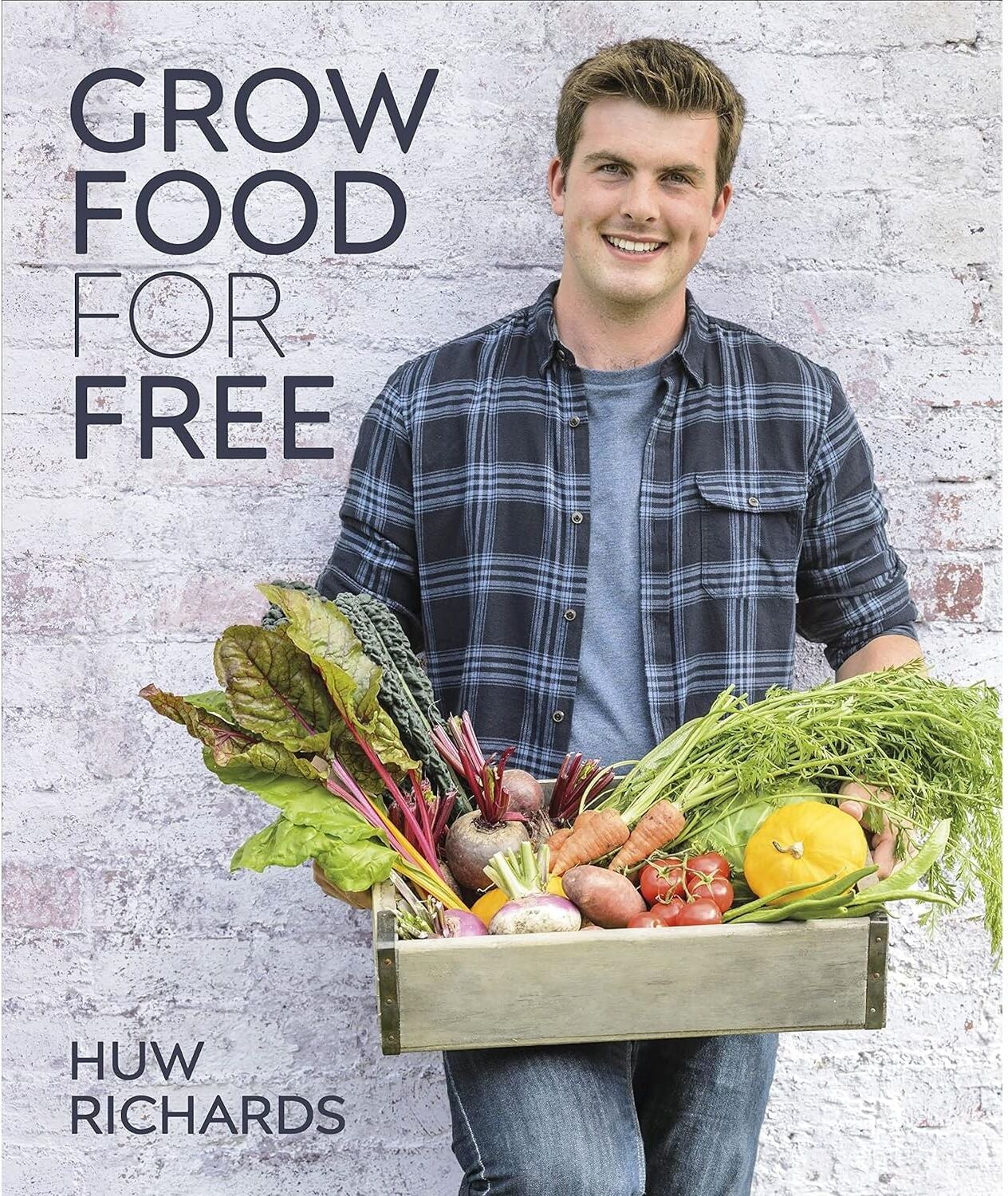
DK Grow Food for Free: The easy, sustainable, zero-cost way to a plentiful harvest by Huw RicahrdsZero-cost, low effort and a long term solution to your fresh produce needs!Huw Richards set himself a challenge - to be self-sufficient by growing his own fruit and veg for free for a year. He succeeded, and now wants to help you do the same.Grow your own food in your home garden, allotment or container and look forward to a bountiful harvest year-round. You can plant fruit and veg at home without spending a penny and Huw Richard's shows you how.Packed with tried-and-tested advice, this gardening book covers:- Finding a space to grow - in the garden or on a terrace or balcony - and sourcing the materials you need- Deciding what to grow your crops in (the ground, a raised bed, or containers)- Clear growing instructions on more than 30 species of popular annual and perennial crops- Huw Richards' 52-week journal of how he grew his own food for free for a year without spending a penny- Advice on how to go about selling your produce to raise money to expand your growing areaAuthor Huw Richards is a man on a mission. He is passionate about teaching you how to garden and grow your own food. Years of experience and trying different things has taught Huw how to garden with little money (or without a garden) and he shows you how to do the same! Grow Food for Free teaches you how to produce no-cost, low-maintenance fruit and veg - and finding low-cost ways to overcome common gardening worries.Learn about the space you need and how to prepare it, make your own compost, tackle weeds, pests, and diseases, and how to get hold of your first set of seeds! Discover strategies to expand your garden. Can't afford a raised bed? Try repurposing an old wooden pallet. Don't have money to buy lots of different seeds? Look in your kitchen cupboards for food that you can plant. This home gardening book shows you everything you need to barter, borrow, repurpose, and propagate your way to a bountiful harvest without burdening your bank balance!7,95 £*Shipping: 2,99 £Secure redirect to the provider
-
Matarrania 100% Organic Olive Scrub 250 mlHealth and Beauty Scrubs and Peels Matarrania 100% Organic Olive Scrub 250 ml With whole cane sugar and organic coffee beans. Facial and body treatment. Coarse-grain, drag-on exfoliant to deeply renew the skin, leaving it soft and hydrated. Thanks to the olive and sweet almond vegetable oils, your skin, in addition to being clean, will be gently hydrated and regenerated. The essential oils of mint and eucalyptus will stimulate the skin and cell regeneration. How to use: Shake the container before opening it (vegetable oils weigh more and tend to sink). Apply with a gentle circular massage. Then rinse with water. For facial use, apply the scrub once a week (no more is necessary!) and if you have sensitive skin, every two weeks. And for body use as many times as you like. Warning: Peppermint and eucalyptus essential oils reactivate cell regeneration and are very refreshing; You will notice a sensation of freshness in the eye area when you apply it to your face, which will decrease after a few minutes. Do not apply the product directly to the eyes or mucous membranes.14,74 £*Shipping: 3,99 £Secure redirect to the provider
-
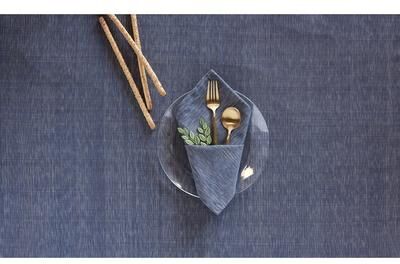
"TIMELESS Organic Cotton Napkins - Handmade, Fair Trade, Eco-Dyed by Sustainable Threads - 20""x20"" (Set of 2)"TIMELESS Collection Handwoven Organic Cotton Napkins - Set of 2 Classic and enduring, these yarn-dyed, handwoven napkins are crafted from indigenous, drought-resistant organic cotton using traditional handspun and botanical dye methods.64,00 $*Shipping: 0,00 $Secure redirect to the provider
-
TIMELESS Handmade Tablecloth by Sustainable Threads Organic Cotton Handwoven Ikat Fair TradeTIMELESS Tablecloth Add rich heritage and extraordinary craftsmanship to your table with our TIMELESS Tablecloth, meticulously handmade from organic cotton and woven on traditional manual looms.220,00 $*Shipping: 0,00 $Secure redirect to the provider


-
What are interviewable numbers in a remainder?
Interviewable numbers in a remainder are the numbers that are left over after division. These numbers are important because they provide information about the relationship between the dividend and the divisor. By analyzing the interviewable numbers in a remainder, one can gain insights into the division process and understand how the numbers are related to each other. **
-
How does polynomial division with remainder work?
Polynomial division with remainder works by dividing one polynomial by another to find the quotient and remainder. Similar to long division with numbers, the process involves dividing the highest degree term of the dividend by the highest degree term of the divisor, then multiplying the divisor by the result and subtracting it from the dividend. This process is repeated with the result of the subtraction until the degree of the remainder is less than the degree of the divisor. The final result is the quotient and remainder. **
-
Is organic sustainable?
Organic farming practices can be more sustainable than conventional methods in terms of reducing chemical inputs, promoting biodiversity, and improving soil health. However, there are challenges to the scalability and efficiency of organic farming, which can impact its overall sustainability. For example, organic farming typically requires more land and labor to produce the same amount of food as conventional methods, which can limit its ability to meet global food demand. Additionally, the transportation and distribution of organic products can have a higher environmental impact due to their shorter shelf life and the need for refrigeration. Overall, while organic farming has many sustainable benefits, there are also limitations to its long-term sustainability on a large scale. **
-
What happens to the remainder in polynomial division?
In polynomial division, the remainder is the result of dividing the dividend by the divisor. If the remainder is zero, then the divisor is a factor of the dividend. If the remainder is not zero, then it represents the leftover terms that cannot be evenly divided by the divisor. The remainder can also be used to check the accuracy of the division by adding it to the product of the divisor and quotient to see if it equals the dividend. **

Can you help me with polynomial division with remainder?
Of course! Polynomial division with remainder involves dividing one polynomial by another and finding the quotient and remainder. To do this, you can use long division or synthetic division, depending on the situation. I can guide you through the steps and provide examples to help you understand the process better. Feel free to ask any specific questions you may have about polynomial division with remainder. **
How do you handle the remainder in polynomial division?
When performing polynomial division, the remainder is the polynomial that cannot be divided evenly by the divisor. To handle the remainder, you typically write it as a fraction over the divisor. This is done to show that the division was not exact and there is a leftover portion. The remainder is an important part of polynomial division as it helps to show the completeness of the division process. **
Top-Angebote
Products related to Remainder:
-
Uplift Essentials Mediterranean Luminous Olive Branches Mediterranean Luminous Olive BranchesBring the timeless elegance of a sundrenched grove into your home with the Mediterranean Luminous Olive Branches. These sophisticated, lifelike simulation branches are designed to blend the natural beauty of fresh olive leaves with the warm,...43,97 $*Shipping: 0,00 $Secure redirect to the provider
-
TIMELESS Handmade Tablecloth by Sustainable Threads Organic Cotton Handwoven Ikat Fair TradeTIMELESS Tablecloth Add rich heritage and extraordinary craftsmanship to your table with our TIMELESS Tablecloth, meticulously handmade from organic cotton and woven on traditional manual looms.152,00 $*Shipping: 0,00 $Secure redirect to the provider
-
DK Grow Food for Free: The easy, sustainable, zero-cost way to a plentiful harvest by Huw RicahrdsZero-cost, low effort and a long term solution to your fresh produce needs!Huw Richards set himself a challenge - to be self-sufficient by growing his own fruit and veg for free for a year. He succeeded, and now wants to help you do the same.Grow your own food in your home garden, allotment or container and look forward to a bountiful harvest year-round. You can plant fruit and veg at home without spending a penny and Huw Richard's shows you how.Packed with tried-and-tested advice, this gardening book covers:- Finding a space to grow - in the garden or on a terrace or balcony - and sourcing the materials you need- Deciding what to grow your crops in (the ground, a raised bed, or containers)- Clear growing instructions on more than 30 species of popular annual and perennial crops- Huw Richards' 52-week journal of how he grew his own food for free for a year without spending a penny- Advice on how to go about selling your produce to raise money to expand your growing areaAuthor Huw Richards is a man on a mission. He is passionate about teaching you how to garden and grow your own food. Years of experience and trying different things has taught Huw how to garden with little money (or without a garden) and he shows you how to do the same! Grow Food for Free teaches you how to produce no-cost, low-maintenance fruit and veg - and finding low-cost ways to overcome common gardening worries.Learn about the space you need and how to prepare it, make your own compost, tackle weeds, pests, and diseases, and how to get hold of your first set of seeds! Discover strategies to expand your garden. Can't afford a raised bed? Try repurposing an old wooden pallet. Don't have money to buy lots of different seeds? Look in your kitchen cupboards for food that you can plant. This home gardening book shows you everything you need to barter, borrow, repurpose, and propagate your way to a bountiful harvest without burdening your bank balance!7,95 £*Shipping: 2,99 £Secure redirect to the provider
-
Matarrania 100% Organic Olive Scrub 250 mlHealth and Beauty Scrubs and Peels Matarrania 100% Organic Olive Scrub 250 ml With whole cane sugar and organic coffee beans. Facial and body treatment. Coarse-grain, drag-on exfoliant to deeply renew the skin, leaving it soft and hydrated. Thanks to the olive and sweet almond vegetable oils, your skin, in addition to being clean, will be gently hydrated and regenerated. The essential oils of mint and eucalyptus will stimulate the skin and cell regeneration. How to use: Shake the container before opening it (vegetable oils weigh more and tend to sink). Apply with a gentle circular massage. Then rinse with water. For facial use, apply the scrub once a week (no more is necessary!) and if you have sensitive skin, every two weeks. And for body use as many times as you like. Warning: Peppermint and eucalyptus essential oils reactivate cell regeneration and are very refreshing; You will notice a sensation of freshness in the eye area when you apply it to your face, which will decrease after a few minutes. Do not apply the product directly to the eyes or mucous membranes.14,74 £*Shipping: 3,99 £Secure redirect to the provider
-
What are remainder stocks?
Remainder stocks are the remaining inventory of a product that a retailer or manufacturer has not been able to sell. These stocks are often sold at a discounted price in order to clear out the remaining inventory and make room for new products. Remainder stocks can be a result of overproduction, slow sales, or seasonal items that are no longer in demand. Retailers may also purchase remainder stocks from manufacturers or distributors in order to offer discounted products to their customers. **
-
What is the Lagrange remainder formula?
The Lagrange remainder formula, also known as the Taylor remainder theorem, is a mathematical formula used in calculus to estimate the error or remainder when approximating a function using its Taylor series. It provides a way to quantify how close the Taylor series approximation is to the actual function. The formula involves the use of the nth derivative of the function and a point within the interval of interest. The Lagrange remainder formula is a powerful tool for understanding the accuracy of Taylor series approximations and is widely used in various fields of mathematics and science. **
-
What are interviewable numbers in a remainder?
Interviewable numbers in a remainder are the numbers that are left over after division. These numbers are important because they provide information about the relationship between the dividend and the divisor. By analyzing the interviewable numbers in a remainder, one can gain insights into the division process and understand how the numbers are related to each other. **
-
How does polynomial division with remainder work?
Polynomial division with remainder works by dividing one polynomial by another to find the quotient and remainder. Similar to long division with numbers, the process involves dividing the highest degree term of the dividend by the highest degree term of the divisor, then multiplying the divisor by the result and subtracting it from the dividend. This process is repeated with the result of the subtraction until the degree of the remainder is less than the degree of the divisor. The final result is the quotient and remainder. **
Similar search terms for Remainder
-
"TIMELESS Organic Cotton Napkins - Handmade, Fair Trade, Eco-Dyed by Sustainable Threads - 20""x20"" (Set of 2)"TIMELESS Collection Handwoven Organic Cotton Napkins - Set of 2 Classic and enduring, these yarn-dyed, handwoven napkins are crafted from indigenous, drought-resistant organic cotton using traditional handspun and botanical dye methods.64,00 $*Shipping: 0,00 $Secure redirect to the provider
-
TIMELESS Handmade Tablecloth by Sustainable Threads Organic Cotton Handwoven Ikat Fair TradeTIMELESS Tablecloth Add rich heritage and extraordinary craftsmanship to your table with our TIMELESS Tablecloth, meticulously handmade from organic cotton and woven on traditional manual looms.220,00 $*Shipping: 0,00 $Secure redirect to the provider
-
TIMELESS Handmade Tablecloth by Sustainable Threads Organic Cotton Handwoven Ikat Fair TradeTIMELESS Tablecloth Add rich heritage and extraordinary craftsmanship to your table with our TIMELESS Tablecloth, meticulously handmade from organic cotton and woven on traditional manual looms.320,00 $*Shipping: 0,00 $Secure redirect to the provider
-
Is organic sustainable?
Organic farming practices can be more sustainable than conventional methods in terms of reducing chemical inputs, promoting biodiversity, and improving soil health. However, there are challenges to the scalability and efficiency of organic farming, which can impact its overall sustainability. For example, organic farming typically requires more land and labor to produce the same amount of food as conventional methods, which can limit its ability to meet global food demand. Additionally, the transportation and distribution of organic products can have a higher environmental impact due to their shorter shelf life and the need for refrigeration. Overall, while organic farming has many sustainable benefits, there are also limitations to its long-term sustainability on a large scale. **
-
What happens to the remainder in polynomial division?
In polynomial division, the remainder is the result of dividing the dividend by the divisor. If the remainder is zero, then the divisor is a factor of the dividend. If the remainder is not zero, then it represents the leftover terms that cannot be evenly divided by the divisor. The remainder can also be used to check the accuracy of the division by adding it to the product of the divisor and quotient to see if it equals the dividend. **
-
Can you help me with polynomial division with remainder?
Of course! Polynomial division with remainder involves dividing one polynomial by another and finding the quotient and remainder. To do this, you can use long division or synthetic division, depending on the situation. I can guide you through the steps and provide examples to help you understand the process better. Feel free to ask any specific questions you may have about polynomial division with remainder. **
-
How do you handle the remainder in polynomial division?
When performing polynomial division, the remainder is the polynomial that cannot be divided evenly by the divisor. To handle the remainder, you typically write it as a fraction over the divisor. This is done to show that the division was not exact and there is a leftover portion. The remainder is an important part of polynomial division as it helps to show the completeness of the division process. **
* All prices are inclusive of VAT and, if applicable, plus shipping costs. The offer information is based on the details provided by the respective shop and is updated through automated processes. Real-time updates do not occur, so deviations can occur in individual cases. ** Note: Parts of this content were created by AI.