Buy olivenbaum.eu ?
We are moving the project
olivenbaum.eu .
Are you interested in purchasing the domain
olivenbaum.eu ?
domain@kv-gmbh.de · 0541-91531010
Buy olivenbaum.eu ?
What does plasticity mean?
Plasticity refers to the brain's ability to change and adapt in response to new experiences, learning, or injury. It is the brain's capacity to reorganize its structure, function, and connections in order to optimize performance and recover from damage. Plasticity allows the brain to form new neural pathways, strengthen existing connections, and even compensate for lost functions. This ability is crucial for learning, memory, and recovery from brain injuries. **
What does plasticity mean in architecture?
Plasticity in architecture refers to the ability of a material or structure to be molded, shaped, or manipulated in various ways to create different forms and designs. It allows architects to experiment with different shapes, textures, and configurations, leading to innovative and dynamic architectural solutions. Plasticity in architecture also enables buildings to adapt to different functions, environments, and user needs, making them more versatile and responsive. **


Similar search terms for Plasticity
Top-Angebote
Products related to Plasticity:
-
Harvest Garden Urn Filler - Grandin RoadFull, convincingly realistic materials. Autumn colors, lush grasses. Indoor/covered outdoor versatility. Coordinates perfectly with a variety of other faux greenery pieces from Grandin Road, as well as other natural, live plants you might have...209,25 $*Shipping: 29,95 $Secure redirect to the provider
-
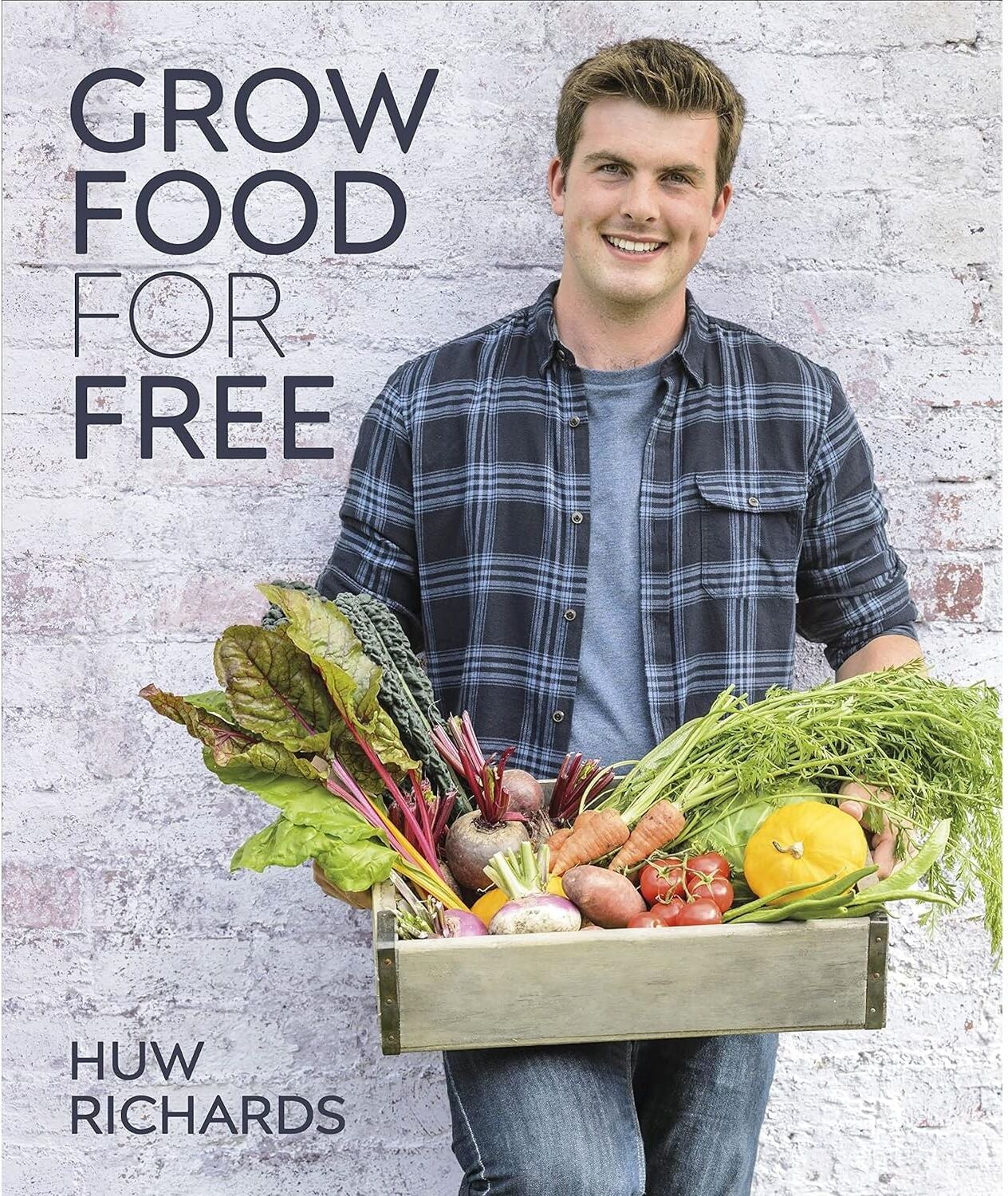
DK Grow Food for Free: The easy, sustainable, zero-cost way to a plentiful harvest by Huw RicahrdsZero-cost, low effort and a long term solution to your fresh produce needs!Huw Richards set himself a challenge - to be self-sufficient by growing his own fruit and veg for free for a year. He succeeded, and now wants to help you do the same.Grow your own food in your home garden, allotment or container and look forward to a bountiful harvest year-round. You can plant fruit and veg at home without spending a penny and Huw Richard's shows you how.Packed with tried-and-tested advice, this gardening book covers:- Finding a space to grow - in the garden or on a terrace or balcony - and sourcing the materials you need- Deciding what to grow your crops in (the ground, a raised bed, or containers)- Clear growing instructions on more than 30 species of popular annual and perennial crops- Huw Richards' 52-week journal of how he grew his own food for free for a year without spending a penny- Advice on how to go about selling your produce to raise money to expand your growing areaAuthor Huw Richards is a man on a mission. He is passionate about teaching you how to garden and grow your own food. Years of experience and trying different things has taught Huw how to garden with little money (or without a garden) and he shows you how to do the same! Grow Food for Free teaches you how to produce no-cost, low-maintenance fruit and veg - and finding low-cost ways to overcome common gardening worries.Learn about the space you need and how to prepare it, make your own compost, tackle weeds, pests, and diseases, and how to get hold of your first set of seeds! Discover strategies to expand your garden. Can't afford a raised bed? Try repurposing an old wooden pallet. Don't have money to buy lots of different seeds? Look in your kitchen cupboards for food that you can plant. This home gardening book shows you everything you need to barter, borrow, repurpose, and propagate your way to a bountiful harvest without burdening your bank balance!7,95 £*Shipping: 2,99 £Secure redirect to the provider
-
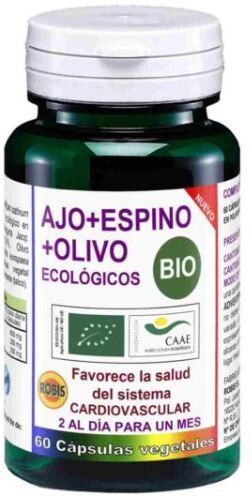
Matarrania 100% Organic Olive Scrub 250 mlHealth and Beauty Scrubs and Peels Matarrania 100% Organic Olive Scrub 250 ml With whole cane sugar and organic coffee beans. Facial and body treatment. Coarse-grain, drag-on exfoliant to deeply renew the skin, leaving it soft and hydrated. Thanks to the olive and sweet almond vegetable oils, your skin, in addition to being clean, will be gently hydrated and regenerated. The essential oils of mint and eucalyptus will stimulate the skin and cell regeneration. How to use: Shake the container before opening it (vegetable oils weigh more and tend to sink). Apply with a gentle circular massage. Then rinse with water. For facial use, apply the scrub once a week (no more is necessary!) and if you have sensitive skin, every two weeks. And for body use as many times as you like. Warning: Peppermint and eucalyptus essential oils reactivate cell regeneration and are very refreshing; You will notice a sensation of freshness in the eye area when you apply it to your face, which will decrease after a few minutes. Do not apply the product directly to the eyes or mucous membranes.14,67 £*Shipping: 3,99 £Secure redirect to the provider


-
How can one represent plasticity without shimmering?
One way to represent plasticity without shimmering is to use matte finishes or textures that absorb light rather than reflect it. This can help create a more subtle and realistic representation of plasticity. Additionally, using soft and gradual transitions between colors or tones can help avoid the appearance of shimmering. Finally, paying attention to the lighting conditions and angles when capturing or rendering the plastic object can also help minimize shimmering and enhance the perception of plasticity. **
-
What is painted with plasticity in art?
In art, plasticity refers to the quality of being able to be molded or shaped. When something is painted with plasticity in art, it means that the artist has used techniques to create a sense of three-dimensionality, depth, and form in their work. This can be achieved through the use of light and shadow, texture, and the manipulation of the medium to create a sense of volume and movement in the artwork. Essentially, painting with plasticity allows the artist to create a sense of physical presence and depth in their work. **
-
What is the spatial depth of plasticity?
The spatial depth of plasticity refers to the extent to which changes in the brain's structure and function occur as a result of learning or experience. It encompasses the range of brain regions and neural networks that are involved in the process of plasticity. This can include changes at the level of individual neurons, as well as larger-scale changes in connectivity and organization across different brain regions. The spatial depth of plasticity is important for understanding how the brain adapts to new information and experiences, and for developing interventions to promote healthy brain function. **
-
What is the difference between spatiality and plasticity?
Spatiality refers to the physical dimensions and arrangement of objects or spaces in a given area, while plasticity refers to the ability of something to be molded, shaped, or changed. Spatiality is concerned with the actual layout and organization of physical elements, such as the distance between objects or the arrangement of rooms in a building. On the other hand, plasticity is about the flexibility and adaptability of a material or structure to be altered or reformed. In essence, spatiality deals with the existing physical space, while plasticity deals with the potential for change within that space. **

Is organic sustainable?
Organic farming practices can be more sustainable than conventional methods in terms of reducing chemical inputs, promoting biodiversity, and improving soil health. However, there are challenges to the scalability and efficiency of organic farming, which can impact its overall sustainability. For example, organic farming typically requires more land and labor to produce the same amount of food as conventional methods, which can limit its ability to meet global food demand. Additionally, the transportation and distribution of organic products can have a higher environmental impact due to their shorter shelf life and the need for refrigeration. Overall, while organic farming has many sustainable benefits, there are also limitations to its long-term sustainability on a large scale. **
Why shouldn't IQ also be changeable if neural plasticity changes myelination and synaptic structure?
While neural plasticity does allow for changes in myelination and synaptic structure, it is important to note that IQ is a complex trait influenced by a combination of genetic and environmental factors. While it is true that the brain can change and adapt, there are limits to how much an individual's IQ can be altered. Additionally, IQ is a measure of cognitive abilities and is influenced by a wide range of factors beyond just neural plasticity, including genetics, early childhood experiences, and education. Therefore, while neural plasticity can certainly impact cognitive abilities, it is not the sole determinant of IQ and its changeability. **
Top-Angebote
Products related to Plasticity:
-
Uplift Essentials Mediterranean Luminous Olive Branches Mediterranean Luminous Olive BranchesBring the timeless elegance of a sundrenched grove into your home with the Mediterranean Luminous Olive Branches. These sophisticated, lifelike simulation branches are designed to blend the natural beauty of fresh olive leaves with the warm,...43,97 $*Shipping: 0,00 $Secure redirect to the provider
-
TIMELESS Handmade Tablecloth by Sustainable Threads Organic Cotton Handwoven Ikat Fair TradeTIMELESS Tablecloth Add rich heritage and extraordinary craftsmanship to your table with our TIMELESS Tablecloth, meticulously handmade from organic cotton and woven on traditional manual looms.152,00 $*Shipping: 0,00 $Secure redirect to the provider
-
Harvest Garden Urn Filler - Grandin RoadFull, convincingly realistic materials. Autumn colors, lush grasses. Indoor/covered outdoor versatility. Coordinates perfectly with a variety of other faux greenery pieces from Grandin Road, as well as other natural, live plants you might have...209,25 $*Shipping: 29,95 $Secure redirect to the provider
-
DK Grow Food for Free: The easy, sustainable, zero-cost way to a plentiful harvest by Huw RicahrdsZero-cost, low effort and a long term solution to your fresh produce needs!Huw Richards set himself a challenge - to be self-sufficient by growing his own fruit and veg for free for a year. He succeeded, and now wants to help you do the same.Grow your own food in your home garden, allotment or container and look forward to a bountiful harvest year-round. You can plant fruit and veg at home without spending a penny and Huw Richard's shows you how.Packed with tried-and-tested advice, this gardening book covers:- Finding a space to grow - in the garden or on a terrace or balcony - and sourcing the materials you need- Deciding what to grow your crops in (the ground, a raised bed, or containers)- Clear growing instructions on more than 30 species of popular annual and perennial crops- Huw Richards' 52-week journal of how he grew his own food for free for a year without spending a penny- Advice on how to go about selling your produce to raise money to expand your growing areaAuthor Huw Richards is a man on a mission. He is passionate about teaching you how to garden and grow your own food. Years of experience and trying different things has taught Huw how to garden with little money (or without a garden) and he shows you how to do the same! Grow Food for Free teaches you how to produce no-cost, low-maintenance fruit and veg - and finding low-cost ways to overcome common gardening worries.Learn about the space you need and how to prepare it, make your own compost, tackle weeds, pests, and diseases, and how to get hold of your first set of seeds! Discover strategies to expand your garden. Can't afford a raised bed? Try repurposing an old wooden pallet. Don't have money to buy lots of different seeds? Look in your kitchen cupboards for food that you can plant. This home gardening book shows you everything you need to barter, borrow, repurpose, and propagate your way to a bountiful harvest without burdening your bank balance!7,95 £*Shipping: 2,99 £Secure redirect to the provider
-
What does plasticity mean?
Plasticity refers to the brain's ability to change and adapt in response to new experiences, learning, or injury. It is the brain's capacity to reorganize its structure, function, and connections in order to optimize performance and recover from damage. Plasticity allows the brain to form new neural pathways, strengthen existing connections, and even compensate for lost functions. This ability is crucial for learning, memory, and recovery from brain injuries. **
-
What does plasticity mean in architecture?
Plasticity in architecture refers to the ability of a material or structure to be molded, shaped, or manipulated in various ways to create different forms and designs. It allows architects to experiment with different shapes, textures, and configurations, leading to innovative and dynamic architectural solutions. Plasticity in architecture also enables buildings to adapt to different functions, environments, and user needs, making them more versatile and responsive. **
-
How can one represent plasticity without shimmering?
One way to represent plasticity without shimmering is to use matte finishes or textures that absorb light rather than reflect it. This can help create a more subtle and realistic representation of plasticity. Additionally, using soft and gradual transitions between colors or tones can help avoid the appearance of shimmering. Finally, paying attention to the lighting conditions and angles when capturing or rendering the plastic object can also help minimize shimmering and enhance the perception of plasticity. **
-
What is painted with plasticity in art?
In art, plasticity refers to the quality of being able to be molded or shaped. When something is painted with plasticity in art, it means that the artist has used techniques to create a sense of three-dimensionality, depth, and form in their work. This can be achieved through the use of light and shadow, texture, and the manipulation of the medium to create a sense of volume and movement in the artwork. Essentially, painting with plasticity allows the artist to create a sense of physical presence and depth in their work. **
Similar search terms for Plasticity
-
Matarrania 100% Organic Olive Scrub 250 mlHealth and Beauty Scrubs and Peels Matarrania 100% Organic Olive Scrub 250 ml With whole cane sugar and organic coffee beans. Facial and body treatment. Coarse-grain, drag-on exfoliant to deeply renew the skin, leaving it soft and hydrated. Thanks to the olive and sweet almond vegetable oils, your skin, in addition to being clean, will be gently hydrated and regenerated. The essential oils of mint and eucalyptus will stimulate the skin and cell regeneration. How to use: Shake the container before opening it (vegetable oils weigh more and tend to sink). Apply with a gentle circular massage. Then rinse with water. For facial use, apply the scrub once a week (no more is necessary!) and if you have sensitive skin, every two weeks. And for body use as many times as you like. Warning: Peppermint and eucalyptus essential oils reactivate cell regeneration and are very refreshing; You will notice a sensation of freshness in the eye area when you apply it to your face, which will decrease after a few minutes. Do not apply the product directly to the eyes or mucous membranes.14,67 £*Shipping: 3,99 £Secure redirect to the provider
-
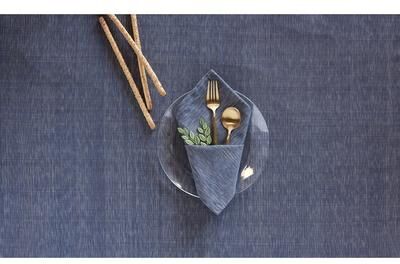
"TIMELESS Organic Cotton Napkins - Handmade, Fair Trade, Eco-Dyed by Sustainable Threads - 20""x20"" (Set of 2)"TIMELESS Collection Handwoven Organic Cotton Napkins - Set of 2 Classic and enduring, these yarn-dyed, handwoven napkins are crafted from indigenous, drought-resistant organic cotton using traditional handspun and botanical dye methods.64,00 $*Shipping: 0,00 $Secure redirect to the provider
-
TIMELESS Handmade Tablecloth by Sustainable Threads Organic Cotton Handwoven Ikat Fair TradeTIMELESS Tablecloth Add rich heritage and extraordinary craftsmanship to your table with our TIMELESS Tablecloth, meticulously handmade from organic cotton and woven on traditional manual looms.220,00 $*Shipping: 0,00 $Secure redirect to the provider
-
What is the spatial depth of plasticity?
The spatial depth of plasticity refers to the extent to which changes in the brain's structure and function occur as a result of learning or experience. It encompasses the range of brain regions and neural networks that are involved in the process of plasticity. This can include changes at the level of individual neurons, as well as larger-scale changes in connectivity and organization across different brain regions. The spatial depth of plasticity is important for understanding how the brain adapts to new information and experiences, and for developing interventions to promote healthy brain function. **
-
What is the difference between spatiality and plasticity?
Spatiality refers to the physical dimensions and arrangement of objects or spaces in a given area, while plasticity refers to the ability of something to be molded, shaped, or changed. Spatiality is concerned with the actual layout and organization of physical elements, such as the distance between objects or the arrangement of rooms in a building. On the other hand, plasticity is about the flexibility and adaptability of a material or structure to be altered or reformed. In essence, spatiality deals with the existing physical space, while plasticity deals with the potential for change within that space. **
-
Is organic sustainable?
Organic farming practices can be more sustainable than conventional methods in terms of reducing chemical inputs, promoting biodiversity, and improving soil health. However, there are challenges to the scalability and efficiency of organic farming, which can impact its overall sustainability. For example, organic farming typically requires more land and labor to produce the same amount of food as conventional methods, which can limit its ability to meet global food demand. Additionally, the transportation and distribution of organic products can have a higher environmental impact due to their shorter shelf life and the need for refrigeration. Overall, while organic farming has many sustainable benefits, there are also limitations to its long-term sustainability on a large scale. **
-
Why shouldn't IQ also be changeable if neural plasticity changes myelination and synaptic structure?
While neural plasticity does allow for changes in myelination and synaptic structure, it is important to note that IQ is a complex trait influenced by a combination of genetic and environmental factors. While it is true that the brain can change and adapt, there are limits to how much an individual's IQ can be altered. Additionally, IQ is a measure of cognitive abilities and is influenced by a wide range of factors beyond just neural plasticity, including genetics, early childhood experiences, and education. Therefore, while neural plasticity can certainly impact cognitive abilities, it is not the sole determinant of IQ and its changeability. **
* All prices are inclusive of VAT and, if applicable, plus shipping costs. The offer information is based on the details provided by the respective shop and is updated through automated processes. Real-time updates do not occur, so deviations can occur in individual cases. ** Note: Parts of this content were created by AI.