Buy olivenbaum.eu ?
We are moving the project
olivenbaum.eu .
Are you interested in purchasing the domain
olivenbaum.eu ?
domain@kv-gmbh.de · 0541-91531010
Buy olivenbaum.eu ?
What is a monoculture?
A monoculture is a farming practice where only one type of crop is grown in a large area of land. This can lead to a lack of biodiversity and can make the crops more susceptible to pests and diseases. Monocultures are often used in industrial agriculture to maximize efficiency and yield, but they can have negative impacts on the environment and food security. **
What is monoculture and perennial culture?
Monoculture refers to the practice of growing a single crop species over a large area, often with the use of chemical inputs to maximize yields. This practice can lead to a lack of biodiversity, increased vulnerability to pests and diseases, and soil degradation. On the other hand, perennial culture involves growing a diverse range of perennial plants that live for multiple years, promoting biodiversity, soil health, and ecosystem resilience. Perennial culture mimics natural ecosystems and can provide a more sustainable approach to agriculture. **


Similar search terms for Monoculture
Top-Angebote
Products related to Monoculture:
-
Harvest Garden Urn Filler - Grandin RoadFull, convincingly realistic materials. Autumn colors, lush grasses. Indoor/covered outdoor versatility. Coordinates perfectly with a variety of other faux greenery pieces from Grandin Road, as well as other natural, live plants you might have...209,25 $*Shipping: 29,95 $Secure redirect to the provider
-
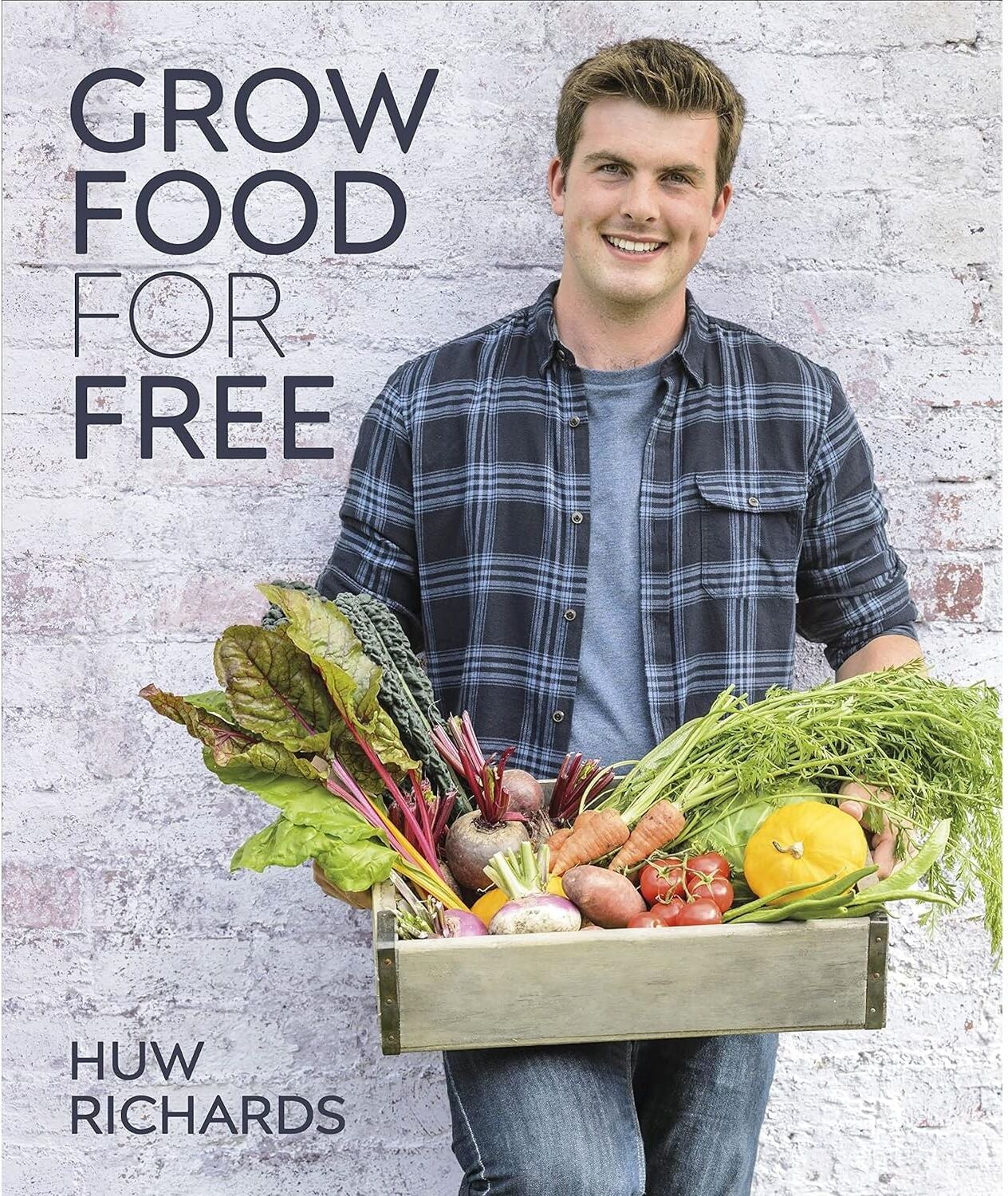
DK Grow Food for Free: The easy, sustainable, zero-cost way to a plentiful harvest by Huw RicahrdsZero-cost, low effort and a long term solution to your fresh produce needs!Huw Richards set himself a challenge - to be self-sufficient by growing his own fruit and veg for free for a year. He succeeded, and now wants to help you do the same.Grow your own food in your home garden, allotment or container and look forward to a bountiful harvest year-round. You can plant fruit and veg at home without spending a penny and Huw Richard's shows you how.Packed with tried-and-tested advice, this gardening book covers:- Finding a space to grow - in the garden or on a terrace or balcony - and sourcing the materials you need- Deciding what to grow your crops in (the ground, a raised bed, or containers)- Clear growing instructions on more than 30 species of popular annual and perennial crops- Huw Richards' 52-week journal of how he grew his own food for free for a year without spending a penny- Advice on how to go about selling your produce to raise money to expand your growing areaAuthor Huw Richards is a man on a mission. He is passionate about teaching you how to garden and grow your own food. Years of experience and trying different things has taught Huw how to garden with little money (or without a garden) and he shows you how to do the same! Grow Food for Free teaches you how to produce no-cost, low-maintenance fruit and veg - and finding low-cost ways to overcome common gardening worries.Learn about the space you need and how to prepare it, make your own compost, tackle weeds, pests, and diseases, and how to get hold of your first set of seeds! Discover strategies to expand your garden. Can't afford a raised bed? Try repurposing an old wooden pallet. Don't have money to buy lots of different seeds? Look in your kitchen cupboards for food that you can plant. This home gardening book shows you everything you need to barter, borrow, repurpose, and propagate your way to a bountiful harvest without burdening your bank balance!7,95 £*Shipping: 2,99 £Secure redirect to the provider
-
Matarrania 100% Organic Olive Scrub 250 mlHealth and Beauty Scrubs and Peels Matarrania 100% Organic Olive Scrub 250 ml With whole cane sugar and organic coffee beans. Facial and body treatment. Coarse-grain, drag-on exfoliant to deeply renew the skin, leaving it soft and hydrated. Thanks to the olive and sweet almond vegetable oils, your skin, in addition to being clean, will be gently hydrated and regenerated. The essential oils of mint and eucalyptus will stimulate the skin and cell regeneration. How to use: Shake the container before opening it (vegetable oils weigh more and tend to sink). Apply with a gentle circular massage. Then rinse with water. For facial use, apply the scrub once a week (no more is necessary!) and if you have sensitive skin, every two weeks. And for body use as many times as you like. Warning: Peppermint and eucalyptus essential oils reactivate cell regeneration and are very refreshing; You will notice a sensation of freshness in the eye area when you apply it to your face, which will decrease after a few minutes. Do not apply the product directly to the eyes or mucous membranes.14,67 £*Shipping: 3,99 £Secure redirect to the provider


-
Why are there disadvantages to monoculture?
Monoculture, the practice of growing a single crop over a large area, can lead to several disadvantages. One major drawback is the increased vulnerability to pests and diseases, as the lack of crop diversity makes it easier for these threats to spread rapidly and devastate the entire crop. Monoculture also depletes the soil of specific nutrients, leading to decreased soil fertility over time. Additionally, monoculture can have negative impacts on biodiversity, as it reduces the variety of plant and animal species in the area. **
-
Are you for monoculture or multiculturalism?
I am for multiculturalism. I believe that diversity in culture, language, and traditions enriches society and promotes understanding and tolerance among different groups. Embracing multiculturalism allows for the exchange of ideas and perspectives, leading to a more vibrant and inclusive community. It is important to celebrate and respect the differences that make each culture unique, rather than promoting a singular, homogenous way of life. **
-
What is a monoculture in the Bannwaldstangenwald?
A monoculture in the Bannwaldstangenwald refers to a forest composed of a single species of trees, typically spruce or pine. This type of forest lacks biodiversity and is more susceptible to diseases and pests. Monocultures are often the result of human intervention, such as clear-cutting and replanting with a single species for commercial purposes. In the Bannwaldstangenwald, efforts are being made to promote diversity and resilience by transitioning monocultures to mixed-species forests. **
-
What is monoculture and perennial crop cultivation?
Monoculture is the agricultural practice of growing a single crop species in a large area of land. This practice can lead to a lack of biodiversity and increased vulnerability to pests and diseases. Perennial crop cultivation, on the other hand, involves growing crops that live for multiple years without the need for replanting each year. Perennial crops can help improve soil health, reduce erosion, and require less input of resources compared to annual crops. **

What are the problems of a monoculture economy?
A monoculture economy is vulnerable to external shocks such as changes in market demand, natural disasters, or disease outbreaks that can devastate the entire economy. It can lead to over-reliance on a single industry, making the economy less diverse and resilient. Additionally, it can result in income inequality and lack of job opportunities for people with skills outside of the dominant industry. Overall, a monoculture economy is risky and can hinder long-term economic growth and stability. **
How do monoculture forests differ from natural mixed forests?
Monoculture forests are composed of a single species of tree, typically planted in rows for commercial purposes such as timber production. These forests lack the diversity of species found in natural mixed forests, which contain a variety of tree species, as well as other plants and wildlife. Natural mixed forests are more resilient to pests, diseases, and climate change, as the diversity of species provides a more stable ecosystem. Monoculture forests are more vulnerable to these threats, as a single pest or disease can devastate the entire forest. **
Top-Angebote
Products related to Monoculture:
-
Uplift Essentials Mediterranean Luminous Olive Branches Mediterranean Luminous Olive BranchesBring the timeless elegance of a sundrenched grove into your home with the Mediterranean Luminous Olive Branches. These sophisticated, lifelike simulation branches are designed to blend the natural beauty of fresh olive leaves with the warm,...43,97 $*Shipping: 0,00 $Secure redirect to the provider
-
TIMELESS Handmade Tablecloth by Sustainable Threads Organic Cotton Handwoven Ikat Fair TradeTIMELESS Tablecloth Add rich heritage and extraordinary craftsmanship to your table with our TIMELESS Tablecloth, meticulously handmade from organic cotton and woven on traditional manual looms.152,00 $*Shipping: 0,00 $Secure redirect to the provider
-
Harvest Garden Urn Filler - Grandin RoadFull, convincingly realistic materials. Autumn colors, lush grasses. Indoor/covered outdoor versatility. Coordinates perfectly with a variety of other faux greenery pieces from Grandin Road, as well as other natural, live plants you might have...209,25 $*Shipping: 29,95 $Secure redirect to the provider
-
DK Grow Food for Free: The easy, sustainable, zero-cost way to a plentiful harvest by Huw RicahrdsZero-cost, low effort and a long term solution to your fresh produce needs!Huw Richards set himself a challenge - to be self-sufficient by growing his own fruit and veg for free for a year. He succeeded, and now wants to help you do the same.Grow your own food in your home garden, allotment or container and look forward to a bountiful harvest year-round. You can plant fruit and veg at home without spending a penny and Huw Richard's shows you how.Packed with tried-and-tested advice, this gardening book covers:- Finding a space to grow - in the garden or on a terrace or balcony - and sourcing the materials you need- Deciding what to grow your crops in (the ground, a raised bed, or containers)- Clear growing instructions on more than 30 species of popular annual and perennial crops- Huw Richards' 52-week journal of how he grew his own food for free for a year without spending a penny- Advice on how to go about selling your produce to raise money to expand your growing areaAuthor Huw Richards is a man on a mission. He is passionate about teaching you how to garden and grow your own food. Years of experience and trying different things has taught Huw how to garden with little money (or without a garden) and he shows you how to do the same! Grow Food for Free teaches you how to produce no-cost, low-maintenance fruit and veg - and finding low-cost ways to overcome common gardening worries.Learn about the space you need and how to prepare it, make your own compost, tackle weeds, pests, and diseases, and how to get hold of your first set of seeds! Discover strategies to expand your garden. Can't afford a raised bed? Try repurposing an old wooden pallet. Don't have money to buy lots of different seeds? Look in your kitchen cupboards for food that you can plant. This home gardening book shows you everything you need to barter, borrow, repurpose, and propagate your way to a bountiful harvest without burdening your bank balance!7,95 £*Shipping: 2,99 £Secure redirect to the provider
-
What is a monoculture?
A monoculture is a farming practice where only one type of crop is grown in a large area of land. This can lead to a lack of biodiversity and can make the crops more susceptible to pests and diseases. Monocultures are often used in industrial agriculture to maximize efficiency and yield, but they can have negative impacts on the environment and food security. **
-
What is monoculture and perennial culture?
Monoculture refers to the practice of growing a single crop species over a large area, often with the use of chemical inputs to maximize yields. This practice can lead to a lack of biodiversity, increased vulnerability to pests and diseases, and soil degradation. On the other hand, perennial culture involves growing a diverse range of perennial plants that live for multiple years, promoting biodiversity, soil health, and ecosystem resilience. Perennial culture mimics natural ecosystems and can provide a more sustainable approach to agriculture. **
-
Why are there disadvantages to monoculture?
Monoculture, the practice of growing a single crop over a large area, can lead to several disadvantages. One major drawback is the increased vulnerability to pests and diseases, as the lack of crop diversity makes it easier for these threats to spread rapidly and devastate the entire crop. Monoculture also depletes the soil of specific nutrients, leading to decreased soil fertility over time. Additionally, monoculture can have negative impacts on biodiversity, as it reduces the variety of plant and animal species in the area. **
-
Are you for monoculture or multiculturalism?
I am for multiculturalism. I believe that diversity in culture, language, and traditions enriches society and promotes understanding and tolerance among different groups. Embracing multiculturalism allows for the exchange of ideas and perspectives, leading to a more vibrant and inclusive community. It is important to celebrate and respect the differences that make each culture unique, rather than promoting a singular, homogenous way of life. **
Similar search terms for Monoculture
-
Matarrania 100% Organic Olive Scrub 250 mlHealth and Beauty Scrubs and Peels Matarrania 100% Organic Olive Scrub 250 ml With whole cane sugar and organic coffee beans. Facial and body treatment. Coarse-grain, drag-on exfoliant to deeply renew the skin, leaving it soft and hydrated. Thanks to the olive and sweet almond vegetable oils, your skin, in addition to being clean, will be gently hydrated and regenerated. The essential oils of mint and eucalyptus will stimulate the skin and cell regeneration. How to use: Shake the container before opening it (vegetable oils weigh more and tend to sink). Apply with a gentle circular massage. Then rinse with water. For facial use, apply the scrub once a week (no more is necessary!) and if you have sensitive skin, every two weeks. And for body use as many times as you like. Warning: Peppermint and eucalyptus essential oils reactivate cell regeneration and are very refreshing; You will notice a sensation of freshness in the eye area when you apply it to your face, which will decrease after a few minutes. Do not apply the product directly to the eyes or mucous membranes.14,67 £*Shipping: 3,99 £Secure redirect to the provider
-
"TIMELESS Organic Cotton Napkins - Handmade, Fair Trade, Eco-Dyed by Sustainable Threads - 20""x20"" (Set of 2)"TIMELESS Collection Handwoven Organic Cotton Napkins - Set of 2 Classic and enduring, these yarn-dyed, handwoven napkins are crafted from indigenous, drought-resistant organic cotton using traditional handspun and botanical dye methods.64,00 $*Shipping: 0,00 $Secure redirect to the provider
-
TIMELESS Handmade Tablecloth by Sustainable Threads Organic Cotton Handwoven Ikat Fair TradeTIMELESS Tablecloth Add rich heritage and extraordinary craftsmanship to your table with our TIMELESS Tablecloth, meticulously handmade from organic cotton and woven on traditional manual looms.220,00 $*Shipping: 0,00 $Secure redirect to the provider
-
What is a monoculture in the Bannwaldstangenwald?
A monoculture in the Bannwaldstangenwald refers to a forest composed of a single species of trees, typically spruce or pine. This type of forest lacks biodiversity and is more susceptible to diseases and pests. Monocultures are often the result of human intervention, such as clear-cutting and replanting with a single species for commercial purposes. In the Bannwaldstangenwald, efforts are being made to promote diversity and resilience by transitioning monocultures to mixed-species forests. **
-
What is monoculture and perennial crop cultivation?
Monoculture is the agricultural practice of growing a single crop species in a large area of land. This practice can lead to a lack of biodiversity and increased vulnerability to pests and diseases. Perennial crop cultivation, on the other hand, involves growing crops that live for multiple years without the need for replanting each year. Perennial crops can help improve soil health, reduce erosion, and require less input of resources compared to annual crops. **
-
What are the problems of a monoculture economy?
A monoculture economy is vulnerable to external shocks such as changes in market demand, natural disasters, or disease outbreaks that can devastate the entire economy. It can lead to over-reliance on a single industry, making the economy less diverse and resilient. Additionally, it can result in income inequality and lack of job opportunities for people with skills outside of the dominant industry. Overall, a monoculture economy is risky and can hinder long-term economic growth and stability. **
-
How do monoculture forests differ from natural mixed forests?
Monoculture forests are composed of a single species of tree, typically planted in rows for commercial purposes such as timber production. These forests lack the diversity of species found in natural mixed forests, which contain a variety of tree species, as well as other plants and wildlife. Natural mixed forests are more resilient to pests, diseases, and climate change, as the diversity of species provides a more stable ecosystem. Monoculture forests are more vulnerable to these threats, as a single pest or disease can devastate the entire forest. **
* All prices are inclusive of VAT and, if applicable, plus shipping costs. The offer information is based on the details provided by the respective shop and is updated through automated processes. Real-time updates do not occur, so deviations can occur in individual cases. ** Note: Parts of this content were created by AI.