Buy olivenbaum.eu ?
We are moving the project
olivenbaum.eu .
Are you interested in purchasing the domain
olivenbaum.eu ?
domain@kv-gmbh.de · 0541-91531010
Buy olivenbaum.eu ?
What is the derivation of the variance decomposition of the variance?
The variance decomposition of the variance is derived from the decomposition of the total variance into its components. This decomposition helps to understand the relative contributions of different sources of variation to the total variance. By partitioning the variance into its constituent parts, such as the variance due to different factors or sources, we can quantify the amount of variability explained by each component. This decomposition is commonly used in statistical analysis to assess the importance of various factors in explaining the overall variability in a dataset. **
What is the asymptotic variance?
The asymptotic variance is a measure of the variability of an estimator as the sample size approaches infinity. It represents the limit of the variance of the estimator as the sample size becomes very large. In statistical theory, it is used to assess the precision and reliability of an estimator in the long run. A smaller asymptotic variance indicates that the estimator is more efficient and provides more precise estimates as the sample size increases. **


Similar search terms for Variance
Top-Angebote
Products related to Variance:
-
Harvest Garden Urn Filler - Grandin RoadFull, convincingly realistic materials. Autumn colors, lush grasses. Indoor/covered outdoor versatility. Coordinates perfectly with a variety of other faux greenery pieces from Grandin Road, as well as other natural, live plants you might have...209,25 $*Shipping: 29,95 $Secure redirect to the provider
-
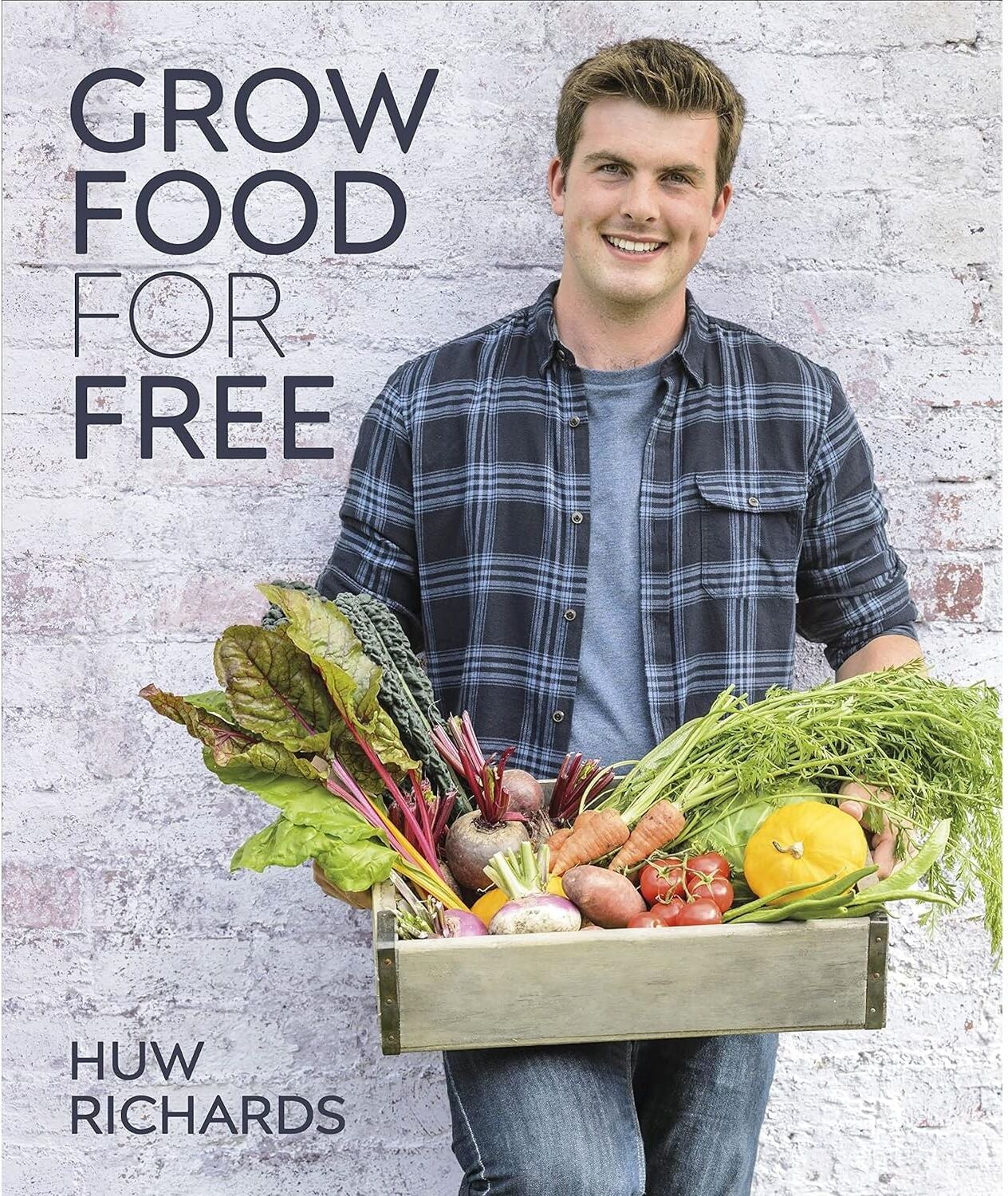
DK Grow Food for Free: The easy, sustainable, zero-cost way to a plentiful harvest by Huw RicahrdsZero-cost, low effort and a long term solution to your fresh produce needs!Huw Richards set himself a challenge - to be self-sufficient by growing his own fruit and veg for free for a year. He succeeded, and now wants to help you do the same.Grow your own food in your home garden, allotment or container and look forward to a bountiful harvest year-round. You can plant fruit and veg at home without spending a penny and Huw Richard's shows you how.Packed with tried-and-tested advice, this gardening book covers:- Finding a space to grow - in the garden or on a terrace or balcony - and sourcing the materials you need- Deciding what to grow your crops in (the ground, a raised bed, or containers)- Clear growing instructions on more than 30 species of popular annual and perennial crops- Huw Richards' 52-week journal of how he grew his own food for free for a year without spending a penny- Advice on how to go about selling your produce to raise money to expand your growing areaAuthor Huw Richards is a man on a mission. He is passionate about teaching you how to garden and grow your own food. Years of experience and trying different things has taught Huw how to garden with little money (or without a garden) and he shows you how to do the same! Grow Food for Free teaches you how to produce no-cost, low-maintenance fruit and veg - and finding low-cost ways to overcome common gardening worries.Learn about the space you need and how to prepare it, make your own compost, tackle weeds, pests, and diseases, and how to get hold of your first set of seeds! Discover strategies to expand your garden. Can't afford a raised bed? Try repurposing an old wooden pallet. Don't have money to buy lots of different seeds? Look in your kitchen cupboards for food that you can plant. This home gardening book shows you everything you need to barter, borrow, repurpose, and propagate your way to a bountiful harvest without burdening your bank balance!7,95 £*Shipping: 2,99 £Secure redirect to the provider
-
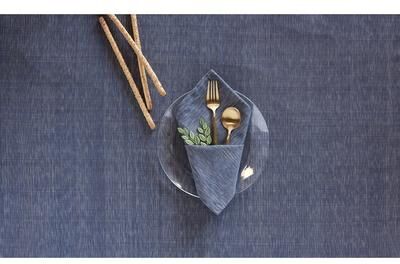
"TIMELESS Organic Cotton Napkins - Handmade, Fair Trade, Eco-Dyed by Sustainable Threads - 20""x20"" (Set of 2)"TIMELESS Collection Handwoven Organic Cotton Napkins - Set of 2 Classic and enduring, these yarn-dyed, handwoven napkins are crafted from indigenous, drought-resistant organic cotton using traditional handspun and botanical dye methods.64,00 $*Shipping: 0,00 $Secure redirect to the provider
-
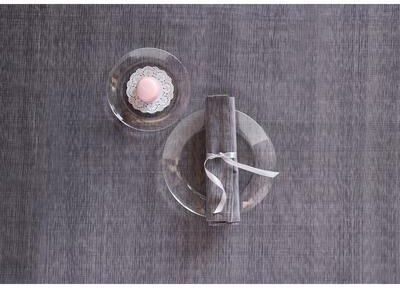
TIMELESS Handmade Tablecloth by Sustainable Threads Organic Cotton Handwoven Ikat Fair TradeTIMELESS Tablecloth Add rich heritage and extraordinary craftsmanship to your table with our TIMELESS Tablecloth, meticulously handmade from organic cotton and woven on traditional manual looms.220,00 $*Shipping: 0,00 $Secure redirect to the provider


-
What is variance in mathematics?
In mathematics, variance is a measure of how much a set of numbers varies or spreads out. It is a statistical measure that indicates the extent to which data points differ from the mean (average) of the set. A high variance means that the numbers in the set are spread out over a wider range, while a low variance means that the numbers are closer to the mean. Variance is calculated by taking the average of the squared differences between each data point and the mean. **
-
What is the difference between variance and standard deviation, and why is variance needed?
Variance and standard deviation are both measures of the spread or dispersion of a set of data. The main difference between the two is that variance is the average of the squared differences from the mean, while standard deviation is the square root of the variance. Standard deviation is often preferred over variance because it is in the same units as the original data, making it easier to interpret. However, variance is still needed in statistical calculations, such as in the calculation of the standard deviation, and it provides valuable information about the variability of the data. **
-
How can the variance be transformed?
The variance can be transformed by applying a linear transformation to the data. This can involve multiplying each data point by a constant, adding a constant to each data point, or a combination of both. Another way to transform the variance is by applying a non-linear transformation to the data, such as taking the square root or the logarithm of the data. These transformations can help to stabilize the variance, make the data more normally distributed, or make the variance more homogeneous across different groups or levels of a factor. **
-
What is variance explanation in psychology?
Variance explanation in psychology refers to the extent to which a particular variable or set of variables can account for the variability in a certain psychological phenomenon or behavior. It is a measure of how much of the variability in a particular outcome can be attributed to the variables being studied. For example, in a study on the factors influencing depression, variance explanation would indicate how much of the variability in depression scores can be explained by factors such as genetics, environment, or personality traits. Understanding the variance explanation in psychology is important for identifying the key factors that contribute to a particular psychological outcome. **

How do you calculate variance correctly?
Variance is calculated by finding the average of the squared differences between each data point and the mean of the data set. First, calculate the mean of the data set. Then, subtract the mean from each data point, square the result, and find the average of these squared differences. This average is the variance. The formula for variance is: variance = Σ (x - μ)² / n, where Σ represents the sum of the squared differences, x is each data point, μ is the mean, and n is the number of data points. **
Is organic sustainable?
Organic farming practices can be more sustainable than conventional methods in terms of reducing chemical inputs, promoting biodiversity, and improving soil health. However, there are challenges to the scalability and efficiency of organic farming, which can impact its overall sustainability. For example, organic farming typically requires more land and labor to produce the same amount of food as conventional methods, which can limit its ability to meet global food demand. Additionally, the transportation and distribution of organic products can have a higher environmental impact due to their shorter shelf life and the need for refrigeration. Overall, while organic farming has many sustainable benefits, there are also limitations to its long-term sustainability on a large scale. **
Top-Angebote
Products related to Variance:
-
Uplift Essentials Mediterranean Luminous Olive Branches Mediterranean Luminous Olive BranchesBring the timeless elegance of a sundrenched grove into your home with the Mediterranean Luminous Olive Branches. These sophisticated, lifelike simulation branches are designed to blend the natural beauty of fresh olive leaves with the warm,...43,97 $*Shipping: 0,00 $Secure redirect to the provider
-
TIMELESS Handmade Tablecloth by Sustainable Threads Organic Cotton Handwoven Ikat Fair TradeTIMELESS Tablecloth Add rich heritage and extraordinary craftsmanship to your table with our TIMELESS Tablecloth, meticulously handmade from organic cotton and woven on traditional manual looms.152,00 $*Shipping: 0,00 $Secure redirect to the provider
-
Harvest Garden Urn Filler - Grandin RoadFull, convincingly realistic materials. Autumn colors, lush grasses. Indoor/covered outdoor versatility. Coordinates perfectly with a variety of other faux greenery pieces from Grandin Road, as well as other natural, live plants you might have...209,25 $*Shipping: 29,95 $Secure redirect to the provider
-
DK Grow Food for Free: The easy, sustainable, zero-cost way to a plentiful harvest by Huw RicahrdsZero-cost, low effort and a long term solution to your fresh produce needs!Huw Richards set himself a challenge - to be self-sufficient by growing his own fruit and veg for free for a year. He succeeded, and now wants to help you do the same.Grow your own food in your home garden, allotment or container and look forward to a bountiful harvest year-round. You can plant fruit and veg at home without spending a penny and Huw Richard's shows you how.Packed with tried-and-tested advice, this gardening book covers:- Finding a space to grow - in the garden or on a terrace or balcony - and sourcing the materials you need- Deciding what to grow your crops in (the ground, a raised bed, or containers)- Clear growing instructions on more than 30 species of popular annual and perennial crops- Huw Richards' 52-week journal of how he grew his own food for free for a year without spending a penny- Advice on how to go about selling your produce to raise money to expand your growing areaAuthor Huw Richards is a man on a mission. He is passionate about teaching you how to garden and grow your own food. Years of experience and trying different things has taught Huw how to garden with little money (or without a garden) and he shows you how to do the same! Grow Food for Free teaches you how to produce no-cost, low-maintenance fruit and veg - and finding low-cost ways to overcome common gardening worries.Learn about the space you need and how to prepare it, make your own compost, tackle weeds, pests, and diseases, and how to get hold of your first set of seeds! Discover strategies to expand your garden. Can't afford a raised bed? Try repurposing an old wooden pallet. Don't have money to buy lots of different seeds? Look in your kitchen cupboards for food that you can plant. This home gardening book shows you everything you need to barter, borrow, repurpose, and propagate your way to a bountiful harvest without burdening your bank balance!7,95 £*Shipping: 2,99 £Secure redirect to the provider
-
What is the derivation of the variance decomposition of the variance?
The variance decomposition of the variance is derived from the decomposition of the total variance into its components. This decomposition helps to understand the relative contributions of different sources of variation to the total variance. By partitioning the variance into its constituent parts, such as the variance due to different factors or sources, we can quantify the amount of variability explained by each component. This decomposition is commonly used in statistical analysis to assess the importance of various factors in explaining the overall variability in a dataset. **
-
What is the asymptotic variance?
The asymptotic variance is a measure of the variability of an estimator as the sample size approaches infinity. It represents the limit of the variance of the estimator as the sample size becomes very large. In statistical theory, it is used to assess the precision and reliability of an estimator in the long run. A smaller asymptotic variance indicates that the estimator is more efficient and provides more precise estimates as the sample size increases. **
-
What is variance in mathematics?
In mathematics, variance is a measure of how much a set of numbers varies or spreads out. It is a statistical measure that indicates the extent to which data points differ from the mean (average) of the set. A high variance means that the numbers in the set are spread out over a wider range, while a low variance means that the numbers are closer to the mean. Variance is calculated by taking the average of the squared differences between each data point and the mean. **
-
What is the difference between variance and standard deviation, and why is variance needed?
Variance and standard deviation are both measures of the spread or dispersion of a set of data. The main difference between the two is that variance is the average of the squared differences from the mean, while standard deviation is the square root of the variance. Standard deviation is often preferred over variance because it is in the same units as the original data, making it easier to interpret. However, variance is still needed in statistical calculations, such as in the calculation of the standard deviation, and it provides valuable information about the variability of the data. **
Similar search terms for Variance
-
"TIMELESS Organic Cotton Napkins - Handmade, Fair Trade, Eco-Dyed by Sustainable Threads - 20""x20"" (Set of 2)"TIMELESS Collection Handwoven Organic Cotton Napkins - Set of 2 Classic and enduring, these yarn-dyed, handwoven napkins are crafted from indigenous, drought-resistant organic cotton using traditional handspun and botanical dye methods.64,00 $*Shipping: 0,00 $Secure redirect to the provider
-
TIMELESS Handmade Tablecloth by Sustainable Threads Organic Cotton Handwoven Ikat Fair TradeTIMELESS Tablecloth Add rich heritage and extraordinary craftsmanship to your table with our TIMELESS Tablecloth, meticulously handmade from organic cotton and woven on traditional manual looms.220,00 $*Shipping: 0,00 $Secure redirect to the provider
-
TIMELESS Handmade Tablecloth by Sustainable Threads Organic Cotton Handwoven Ikat Fair TradeTIMELESS Tablecloth Add rich heritage and extraordinary craftsmanship to your table with our TIMELESS Tablecloth, meticulously handmade from organic cotton and woven on traditional manual looms.320,00 $*Shipping: 0,00 $Secure redirect to the provider
-
How can the variance be transformed?
The variance can be transformed by applying a linear transformation to the data. This can involve multiplying each data point by a constant, adding a constant to each data point, or a combination of both. Another way to transform the variance is by applying a non-linear transformation to the data, such as taking the square root or the logarithm of the data. These transformations can help to stabilize the variance, make the data more normally distributed, or make the variance more homogeneous across different groups or levels of a factor. **
-
What is variance explanation in psychology?
Variance explanation in psychology refers to the extent to which a particular variable or set of variables can account for the variability in a certain psychological phenomenon or behavior. It is a measure of how much of the variability in a particular outcome can be attributed to the variables being studied. For example, in a study on the factors influencing depression, variance explanation would indicate how much of the variability in depression scores can be explained by factors such as genetics, environment, or personality traits. Understanding the variance explanation in psychology is important for identifying the key factors that contribute to a particular psychological outcome. **
-
How do you calculate variance correctly?
Variance is calculated by finding the average of the squared differences between each data point and the mean of the data set. First, calculate the mean of the data set. Then, subtract the mean from each data point, square the result, and find the average of these squared differences. This average is the variance. The formula for variance is: variance = Σ (x - μ)² / n, where Σ represents the sum of the squared differences, x is each data point, μ is the mean, and n is the number of data points. **
-
Is organic sustainable?
Organic farming practices can be more sustainable than conventional methods in terms of reducing chemical inputs, promoting biodiversity, and improving soil health. However, there are challenges to the scalability and efficiency of organic farming, which can impact its overall sustainability. For example, organic farming typically requires more land and labor to produce the same amount of food as conventional methods, which can limit its ability to meet global food demand. Additionally, the transportation and distribution of organic products can have a higher environmental impact due to their shorter shelf life and the need for refrigeration. Overall, while organic farming has many sustainable benefits, there are also limitations to its long-term sustainability on a large scale. **
* All prices are inclusive of VAT and, if applicable, plus shipping costs. The offer information is based on the details provided by the respective shop and is updated through automated processes. Real-time updates do not occur, so deviations can occur in individual cases. ** Note: Parts of this content were created by AI.